




















★ The Sports Examiner: Chronicling the key competitive, economic and political forces shaping elite sport and the Olympic Movement.★
★ To get the daily Sports Examiner Recap by e-mail: sign up here! ★
≡ POLITICS IN PLAY ≡
As promised, the Los Angeles City Council once again took up the “Olympic wage” fight between labor and business and while the issue was not finally settled on Tuesday (19th), a new resolution with a major deal to eliminate the repeal of the City’s business tax is apparently within reach.
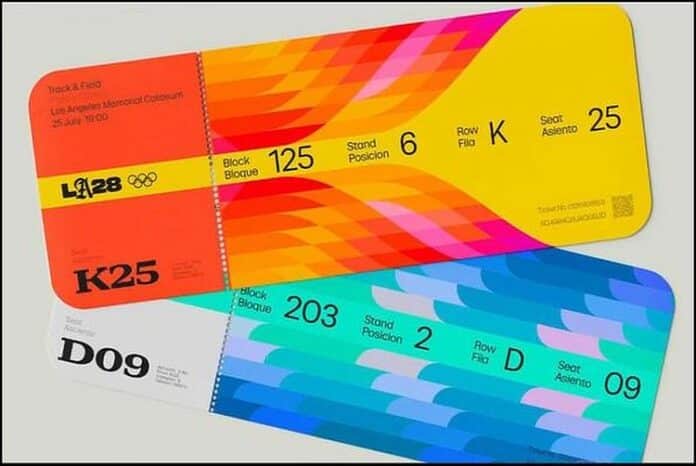
In the meantime, a new motion to impose a 10% tax on the sales of LA28 Olympic and Paralympic tickets was introduced by Council member Monica Rodriguez, to help fund the City’s costs for the Games.

/Updated/On the “Olympic wage,” the existing ordinance that was passed after a significant push from labor groups representing Los Angeles airport and airport-hotel workers, raises wages in stepped increases to $30.00 per hour by 1 July 2028.
Business interests have pushed back and a motion to stretch the raises to $30.00 out to 2030 has been before the Council. On Tuesday, Council President Marqueece Harris-Dawson explained that negotiations have continued:
“I want to thank the labor leaders, business leaders and a select members of this Council for literally staying in the room for hours and hours and hours and hours to see how close we could get to bringing the City together over what is an extremely divisive issue.
“We made tremendous progress, we walked away from negotiating tables – like many negotiating tables – where no one was happy about the outcome, but everybody came away better than we started off.
“So, this has again been a painful process that we’re almost to the end of . We’ll have a second reading of this item next week. I expect, unrelated to this, there will be an item before this Council to accept a letter withdrawing the gross receipts tax ballot initiative from the ballot, permanently, and that will conclude our work on this period.”
The motion was carried, 11-4, to advance the revised ordinance forward to next week, with revised raises to $25.00 an hour in 2026, $26.50 in 2027, $28.50 in 2028, and $30.00 an hour in 2029.
Observed: Harris-Dawson was not believable in saying there is no connection between a deal on the “Olympic wage” and a withdrawal of the repeal initiative for the gross receipts tax – there apparently is – but if both can be settled, the City will be better for it and the LA28 organizers may see some labor peace through the Games period. “Maybe” is the operative word.

Also on Tuesday, a motion was made by Rodriguez which began:
“In preparation for the 1984 Summer Olympics, the City of Los Angeles enacted a special 6 percent tax on Olympic ticket sales. The tax applied to the ‘gross receipts’ from distributing tickets to Olympic events and was directed at the organizations promoting and selling admission to the Games. The tax was designed to help the city recover some of the enormous public costs associated with hosting the Olympics, including police, fire protection, transportation, and other municipal services needed during the event.”
So, with the City worried about LA28 deficits and payments for security costs:
“I THEREFORE MOVE that the City Attorney be requested to prepare and present the documents necessary to place on the November 2026 ballot a measure that would impose a 10 percent tax on all Olympic Tickets sold beginning on January 1, 2027. The revenue should be placed in a special fund to cover any cost overruns in hosting the 2028 Olympic Games. If funding is not needed then it would be released to the General Fund on January 31, 2029.”
The motion was seconded by Budget & Finance Committee Chair Katy Yaroslavsky and assigned to Budget & Finance and the Rules, Elections and Intergovernmental Relations committees for review.
Rodriguez is also spearheading a push for a City Charter amendment that would require LA28 to exhaust all available funds to ensure that the City’s expenses are paid in full before any amount could be declared as a “surplus.” This issue is also being discussed in the negotiation of the City-LA28 contract for “Enhanced City Resources Master Agreement,” as yet unresolved.
Observed: A glance at the ticket sales brochure for the 1984 Olympic Games in Los Angeles shows that in addition to the prices of tickets, there was a 6% “Los Angeles City 1984 Olympic Games Ticket Distribution Tax” of 6% which had been installed years prior to the Games, specifically to build up funds to pay for City services such as police.
In addition, there was a “Ticket Handling Charge” of $1 per ticket requested; for 2028, this charge has been reported as 24% of the ticket price, but was included in the on-screen price to be paid.
It’s remarkable that the City did not incorporate such protections earlier, but Rodriguez is trying to make up for lost time, even if as much as half of the Olympic tickets will have been sold by January 2027. Yaroslavsky said during City budget hearings earlier this month that LA28 has discouraged her from installing even a $1 charge per ticket to assist City funding.
It will be fascinating to see how these cost-containment concepts evolve as the City tries to avoid any Olympic debt. It must be noted that under the Games Agreement with LA28, signed in 2021, the City does not have a right of audit in the preparatory period to check on LA28’s finances. Rodriguez is pushing for that also.

★ Receive our exclusive, weekday TSX Recap by e-mail by clicking here.
★ Sign up a friend to receive the TSX Recap by clicking here.
★ Please consider a donation here to keep this site going.
For our updated, 681-event International Sports Calendar for 2026 and beyond, by date and by sport, click here!